Lunes, Pebrero 22, 2021

Why Does The Lawn Mower Keep Cutting Off? Find Out Here!

How To Fix Your Lawnmower That Keeps Shutting Off

Having a lawnmower that keeps cutting off after every ten seconds or so when switches it on can be frustrating and time-consuming, leaving you clueless as to what the issue is that might be.

Your lawnmower could be cutting off for several reasons depending on whether it is an electric lawn mower or a petrol lawnmower, some of the typical reasons for this continuous cut off could be a bad switch, stale fuel or a damaged air filter. 

So to help you figure out why your lawnmower keeps cutting off when you start it, we have listed out the common problems in electric and petrol mowers, along with how to solve them so as your mower can be running continuously we no unexpected shutoffs.

Reasons Why Your Electric Lawnmower Is Cutting Off

Compared to a petrol run lawnmower, the reasons as to why your electric lawnmower might be cutting out is pretty easy to pinpoint and tends to be due to the motor, cables or start switch of your model.

We have listed out the main reasons below and how to solve them.

The Cable

The cable of your electric lawnmower is one of the most important parts of your mower, as this is what provides power for it to work.

Common issues with cables that cause your mower to cut out are internal damage inside the cable. Internal damage can be caused by flexing, pulling or pushing your cable to hard during use.

To check if your cable is working, you can use a multimeter, and if this identifies no issues then you might just have a cut cable, which can happen by accidentally running over the cable, luckily, it can be replaced easily with the right matching cable for your model.

Additionally, if the above steps don't work, you can try unplugging and replugging your cables to see if this fixes a loose connection, as well as looking out for any dirt or frays that indicate you need to change your cables.

Your Battery (Cordless Models Only)

One of the next most obvious reasons as to why your cordless mower could be cutting out is due to the battery.

This could mean your battery is low on charge or has reached the end of its life, so you can try inserting a new battery to see if this makes a difference and stops your mower from cutting out.

Start Switch

The start switch on your mower is the 'on switch' and can give intermittent power problems such as cutting out the motor when the switch is damaged.

If there is no power at all then you could potentially have a failed start switch which will need replacing by a professional.

The Motor Has Issues

Your lawnmower motor is responsible for turning the blades inside of the mower, overheating issues and start switch problems can cause the mower to intermittently cut out during use.

Also, check the air vents to make sure there is no debris clogging them up and preventing the blades from turning. Your motor could potentially be overworked too from heavy-duty work and may need time to cool down before using again.

You may have to replace your motor entirely if these issues persist.

Summary

  • Unplug your electric mower or remove the battery.
  • Check the power cord and battery.
  • Look for a loose connection.
  • Empty the grass bag.
  • Double-check the air vents for blockages.
  • Study the start switch.
  • Consider your motor.

Reasons Why Your Petrol Mower Keeps Cutting Out

If your gas lawnmower keeps cutting out then you might find issues such as bad fuel or a problem with your carburettor is the reason for this frustrating problem.

We have put together some of the typical problems as to why your gas-powered lawnmower could be cutting out below.

You Have Bad Fuel

Gas can start to go bad pretty quickly from 30 days onwards and leave sticky deposits behind in your machine that can cause issues with the fuel flowing in your mower.

To fix this problem you should try switching out your fuel or using a destabiliser in your mower next time if you leave it for long periods in storage.

Poor Air Flow

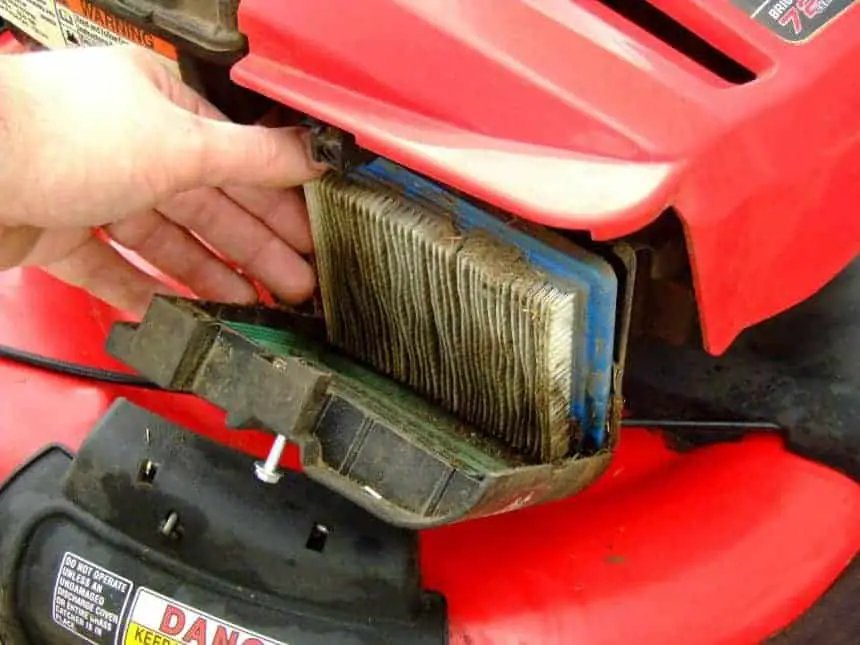
Mowing on a lawn with very tall grass could be clogging your air filter and shutting off air to your mower's engine causing the cutout. Debris, long grass and other dirt can get into your filter from long grass and enter the cylinder.

To prevent this from happening don't use your mower on very tall grass and clean the air filters regularly.

Try Adjusting & Cleaning Your Carburettor

If you have checked the above parts on your mower, then you might need to move your focus on the carburettor of your mower.

If you want to adjust your carburettor on your mower you will need this done so as it can correspond perfectly to your engines speed.

You may also need to get your carburettor cleaned as dirty fuel can stick to the bore or screen inside of your carburettor and suffocate the mechanism, resulting in an engine that may cut out due to needing more fuel that can't reach.

Check The Spark Plug

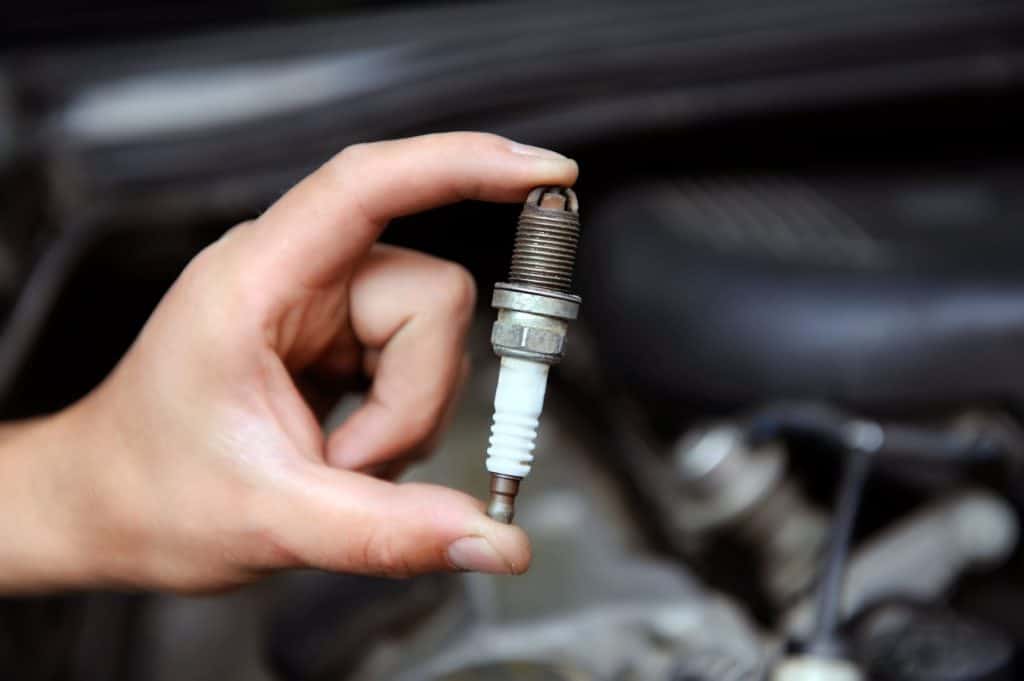
A damaged or chipped spark plug can cause your mower to run for several minutes then cut out, you can inspect your plug for any carbon and clean it with a brush if it's dirty, but if this does not solve the problem you might just have to replace the spark plug entirely.

Summary

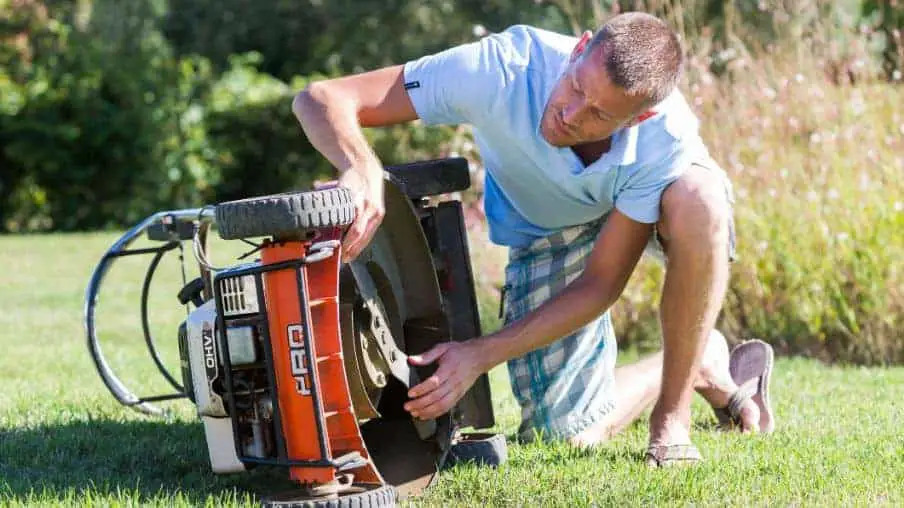
  • Gently tip your mower to the underside.
  • Check your fuel.
  • Study the air filters.
  • Look for a faulty spark plug.
  • Adjust & clean the carburettor.

Safety Tips For Checking Your Mowers

Now we have identified the main common problems that could be causing your electric mower/gas mower to cut out, we have listed out some safety tips for you to consider before you start examining your mower.

Safety Tips

  • Ensure you are wearing thick safety gloves when checking your mower over as this can stop you accidentally cutting yourself on the blades.
  • Always unplug your mower or remove the battery to avoid starting the mower unexpectedly.
  • Make sure that everything you have removed from the mower is firmly placed or connected back before restarting your machine, failure to do so could cause even more damage to the mower.
  • Get a professional to check your mower if you are unsure or not confident in fixing the machine yourself.

Frequently Asked Questions About Why Your Lawnmower Keeps Cutting Off

What is a carburettor?

A carburettor on a lawnmower is the cylinder inside your machine which mixes the fuel and air inside the mower for combustion to power the engine, if your carb has problems then this might be why your mower is cutting out.

How quickly can gas go bad in a lawnmower?

Gasoline inside a lawnmower can go bad in as quickly as 30 days, however, you can add a stabiliser to your fuel if you want it to last for longer.

What are some signs of a poor air filter in a mower?

Signs of a bad air filter could be smoke, cutting out and running rough, or if your mower is generally hard to start.

Last Words

To round up our troubleshooting guide, if your mower is cutting out then you likely need to check the cables and battery first if you have an electric mower, or the age of the fuel and the carburettor if you have a gas mower.

Most of these issues can be resolved by cleaning your mower or contacting a professional for the carburettor replacement.

What Causes A Lawn Mower Not To Move? Find Out Here!

Why Is My Lawnmower Not Moving?

If your lawnmower is becoming difficult to start, the thought of figuring out what the issue is in these complicated pieces of machinery can be overwhelming and difficult.

Your lawnmower might not be moving due to cold weather, bad fuel or a faulty spark plug. Valves and fuel can be sensitive to temperature change in cold climates, so you will need to eliminate all these issues before figuring out why a lawnmower is hard to start. 

To help you out, with listed out some common start-up issues below to understand why your lawnmower might be hard to start and how to fix it.

Here Are Some Reasons Why It Could Be Hard To Start

Investing in a high-quality lawnmower, only to find after a couple of years its hard to start can be a disappointing problem.

However, most of these issues can be solved and repaired easily, so we will list a few of the common issues below to see if they can solve the

difficult start-up on your mower.

The Fuel

One of the first things to check on your mower if your experiencing problems starting it is the fuel.

First of all, make sure the fuel tank in your mower has enough fuel, yes, some people can try to start a mower without fuel and wonder why it's not starting (we know).

Also, ensure the gas in your mower is not old, gas nowadays can go bad in about 60 days, so if your getting your mower out of storage then you might have a 'gone bad' gas problem. This can be fixed by using a stabiliser in future and replacing this gas with fresh fuel.

You should additionally make sure the fuel has no debris in it as this can be sucked into the gas line and cause issues when trying to start the engine of your mower.

Double Check The Spark Plug

It's very common for the spark plug of your mower to give start-up issues if it is damaged or not fitted correctly.

You can try applying starter fluid to the spark plug, giving it a clean and checking if all the wires are connected properly to fix a bad spark plug.

If you think there is no spark on your mower then you should use a spark plug tester to see if a spark is occurring or not in your model and be replacing the plugs every year to avoid issues like this from happening.

Look At The Carburettor

After checking the fuel in your mower and the spark plug, the next thing you need to check is if fuel is getting from these places to the Carburettor on your mower.

The carburettor of your mower may be clogged from old fuel and sticky substance, you should make sure the fuel cap vent of your mower is open and the screen is clear of any debris.

To double-check if your carburettor on your mower is working you can place a teaspoon of fuel down the spark plug of your machine, retighten and start your mower.

If the engine runs then your carburettor might need a repair.

The Ignition

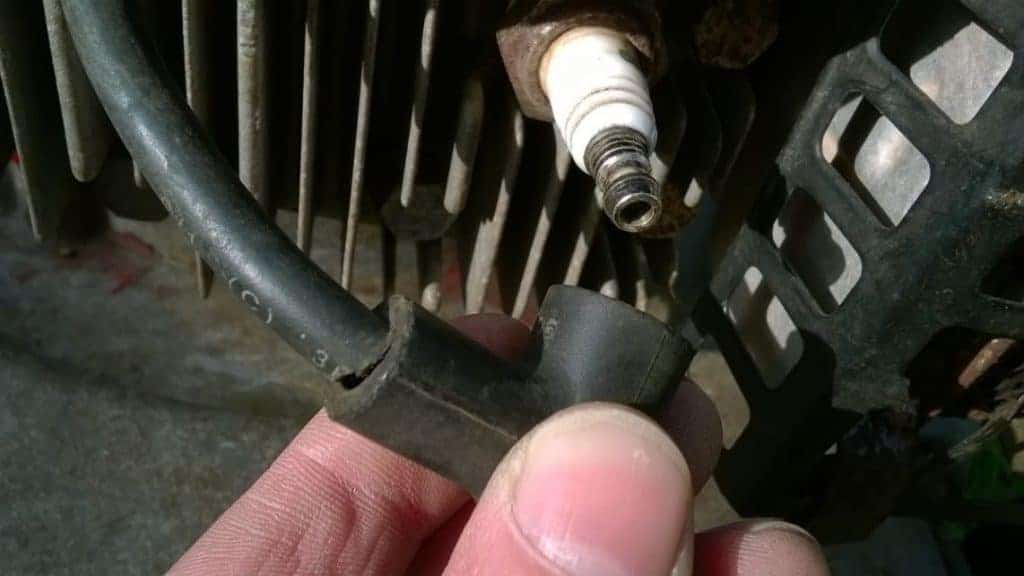
Always check your ignition is on and your spark plug wire is attached properly to the plug, additionally make sure your safety features are disengaged as they could be preventing the smooth start-up of your mower.

It's Cold

If you live in a cold climate, then temperature could be a reason why you are having a hard time starting your mower.

Temperature can affect the oil in your mower, making it of a thicker consistency when it is cold. Try changing your oil to a more suitable temperature grade one and seeing if this will help your lawnmower start-up.

Your valve may have also changed size from cold/hot conditions, this would need to be repaired and troubleshot by a professional.

The Air Filter

Lastly, the air filter in your lawnmower could potentially be clogged up, preventing your mower from starting, you could try cleaning any dirt and debris off your filter or replacing it entirely to fix this.

How To Maintain Your Lawnmower In The Best Way

We hate to say it, but most problems relating to difficult start-up in your lawnmower could be due to improper care or lack of maintenance on the mower to keep it in a good shape.

So to make it simple, with listed out some helpful maintenance tips for your mower below so as you can take the best care possible of your model.

  • Step One - Before cleaning your mower or doing any kind of repairs/ maintenance you need to make sure you remove the spark plug. This will stop any accidental start-ups of your machine which could be dangerous.
  • Step Two - Tip your mower over or put it on stilts so as you can get to the underneath, you should always be careful when tipping your mower according to the type of model you have. For four-stroke mowers, you should remove the air filter and never tip it on the side of the spark plug towards the ground. In two-stroke models, you can tip the mower anyway as long as fuel is not spilling.
  • Step Three - Check the blade of your machine and make sure it is sharp and clear of debris after use.
  • Step Four - Always check the air filter of your mower at this stage and see if it needs changing or cleaning.
  • Step Five - If you have a four-stroke model, change the oil if needed, this should be done about once a year.
  • Step Six - When storing your mower away for a long time after use put a fuel stabiliser or run your mower till the fuel tank is empty to avoid any stale fuel problems occurring at a later date.

Frequently Asked Questions About Why a Lawnmower Is Hard To Start

Why can't I pull my lawnmower with enough strength?

Hydro locking, chipped blades or a bad recoil spring could make your mower hard to start, most of these issues can be resolved but you may have to replace the crankshaft entirely if they don't work.

My mower is always harder to start when it's cold, why is this?

Lawnmowers that use the oil can be hard to start when it's cold as the temperature effects the consistency of the oil within the mower, making it thicker and requiring more effort to start-up.

How often should I change the air filter on my mower?

This depends on the quality of the air filter you are using in your lawnmower and its condition, this could be every month to once a year if you don't use your mower often.

Final Words

With the reasons above, you should be able to pinpoint why your mower is hard to start and how to fix it. You should always try to store your mower in the best way possible to avoid some of these issues occurring and keep on top of maintenance too.

What Is A Mulching Mower? What Are The Benefits?

Mulching Mowers - Our Best Guide

If you've been looking into buying a lawnmower for your garden, then you've probably come across mulching lawnmowers and wondered what they are, and how they differ from regular push mowers.

Well, mulching mowers have a similar aesthetic design to push mowers but differ in how they work. Mulching lawnmowers don't leave grass clippings behind like a standard lawnmower, and instead, use a special blade to grind these grass clippings into small pieces which are known as 'mulch', this mulch is then dispersed back on to your garden. 

So now you are probably asking yourself how these mowers can do this and what the advantages are to having mulch deposited back on to your lawn, in comparison to none.

We have put together a comprehensive guide below to help you figure out if you need a mulching lawnmower or not and the benefits of using one in your garden.

What Is a Mulching Lawnmower?

As we mentioned above, a mulching lawnmower is a machine like a regular push mower that collects your grass clippings and grinds them into mulch to be deposited back on to your lawn.

The grass clippings left behind on your lawn act as an organic fertiliser and can help keep your grass healthy and promote the growth of new grass. The blade of these machines can have multiple different blades or a single jagged edge blade depending on the mower you buy.

How Does a Mulching Lawnmower Work?

Now you understand what a mulching lawnmower is, we can get on to explaining how these designs work.

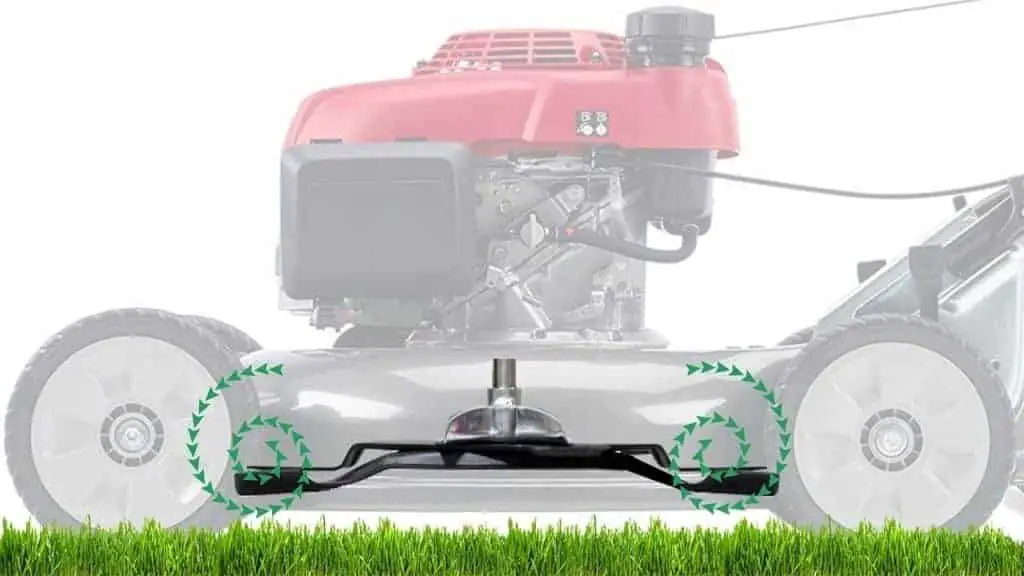
Mulching mowers don't have discharge chute like regular mowers and use their blades to toss the grass up into the machine so as it can be cut multiple times by the blade and form mulch which is small enough to sit on the soil of your grass like a fertiliser.

These mowers additionally have a taller mowing deck than regular models to allow for the grass to be cut multiple times due to being swirled around inside of the mower.

The mulch created by these mowers does not need to be removed like a regular one as its small enough to not suffocate your lawn beneath you.

Mulching mowers come in three different types; electric corded, electric cordless (with a battery) and gas-powered. Each type of mower will mulch your grass clippings the same but have advantages/disadvantages depending on what you want.

When Do I Need To Use a Mulching Mower?

If you are a homeowner trying to maintain your garden in the best way possible with minimal effort, it could be worth investing in a mulching mower due to the fertilisation it brings to your lawn.

They also stop you from having to empty garden waste often and are great if you have a garden that is full of leaves that you have to rake away constantly as it can mulch them instead.

So if your home garden is looking a little beat down, a mulching mower could potentially restore its health and promote new grass growth with little work.

What Are The Benefits & Drawbacks Of Buying a Mulching Lawnmower?

Mulching mowers come with a large number of benefits for your lawn, including making it healthier.

However, this is not say mulching your lawn with one of these mowers is all good, as they can also come with some disadvantages which you should be aware of before buying your mower.

Advantages

Mulching mowers are not only a great way to fertilise your lawn without spending money, but they are also much more eco-friendly than man-made fertiliser and help your lawn to become self-sufficient, meaning you don't have to maintain your lawn as much.

These types of mowers also don't tend to cost much more than regular ones and are perfect for people with allergies due to the way the machine self-contains its grass and doesn't disperse the pollen into the air.

Other advantages to mulching mowers have to be the fact you don't have to spend time and effort collecting the grass clippings or emptying your grass bag from the mower, they also stop you from having to rake leaves as the machine turns them into mulch.

Pros

  • Eco- friendly fertiliser.
  • Promotes a healthy lawn.
  • Good for people with allergies.
  • Saves time.
  • Doesn't cost too much more than a regular mower.
  • Makes your lawn self-sufficient.

Disadvantages

Even though mulching mowers are great for your lawn, they do come with some drawbacks. For example, your lawn will not look as neat after mowing due to this mulch deposited, which can be annoying if you are after a freshly mowed aesthetic for your garden.

You will also have to mow your lawn much more frequently to avoid having to cut long grass, as longer grass will be much more likely to form clumpy mulch and brown on your grass.

If your grass produces too much mulch it could potentially suffocate your grass too, especially if you are mulching the dead leaves in your garden, so you might end up having to redistribute some of the mulch anyway like collecting normal grass clippings.

Cons

  • Your lawn will look messy.
  • Can suffocate your grass if mulch is in excess.
  • Needs mowing more frequently.

Overall, as long as you don't mind a less aesthetic lawn after mowing, a mulching mower is a great investment if you are looking to make your garden more self-sufficient and want to avoid placing chemical fertiliser down on your soil.

What's The Difference Between Mulching & Side Discharge?

If you are after a fertilising mower, then you have probably seen old school side discharge mowers.

Both types of mower functions are great for promoting a healthy lawn due to the way they disperse clippings back on to your grass, however, they do have there pros and cons when compared against each other.

Side Discharge

Side discharge mowers spray their grass clippings out of there side discharge chutes and give a very quick and clean-cut to your grass.

They also allow for continuous operation which makes them perfect for larger lawns and great for cutting taller less maintained grass.

However, side discharge mowers in comparison to mulching models are very messy, as the discharge chute can spray your clippings anywhere such as driveways or flowerbeds, meaning you might have to clean up in a lot of places after using the mower.

It's cutting system also does not cut grass clippings as fine as mulching, making it a poorer fertiliser and giving it the ability to throw rocks or sticks out of its chute which can be dangerous.

Pros

  • Quick and sharp cut to your grass.
  • Continuous operation saves time cutting larger lawns.
  • Great for taller grass.
  • Tend to be a little cheaper.

Cons

  • Can be very messy.
  • The chute can disperse other objects such as rocks and sticks.
  • Clean up may be needed.

Mulching

Mulching mowers in comparison to side discharge ones do all there cutting inside their machine and the clippings just fall into the ground and do not get forced out a chute, making them cleaner and less likely to throw clippings in places you don't want.

This mulching function additionally does not fling rocks or stones out of its chute and makes the grass clippings a better fertiliser due to the way the grass is ground in their blades.

Downfalls of mulching vs side discharge have to be the slower blade speed and operating system which make this kind of machine less suitable for bigger lawns with very tall grass.

Pros

  • Clippings are less messy.
  • Better for fertiliser.
  • No chute can throw out dangerous items.

Cons

  • Slower blade speed makes it less suitable for larger gardens.
  • Not good for taller grass.

To round up both styles of fertiliser, mulching mowers tend to be better than side-discharge mowers if you have a small home garden which you want to be self-sufficient and don't want to be cleaning up grass clippings that have gone everywhere after mowing.

Side discharge mowers could be better if you care less about the mess created from the chutes and want to be able to mow larger areas at a quicker speed.

Frequently Asked Questions About Mulching Mowers

Can I buy a mulching attachment rather than a mulching mower?

Yes, if you are reluctant to invest in a mulching mower and already have a great regular mower at home, you can buy a mulching attachment that will come with blades for mulching instead.

Is it possible for mulching to help your grass grow?

Mulch will act as a fertiliser for your soil and help new grass grow, it also can help control weed growth on your lawn.

Can you mulch wet grass?

No, mulching wet grass will cause it to stick together in clumps on your lawn and can end up blocking your mower.

Final Words

Overall, a mulching mower is a great way to fertilise your lawn and make it self sufficient in comparison to a regular mower.

This is thanks to its special mulching blades which suck up grass and cut it multiple times before depositing it back on to the ground to create fertiliser for your soil.

Lawn Mower Won't Start After Winter, Here's What Could Be The Reason..

Why Is My Lawnmower Not Starting After Winter?

There's nothing worse than putting your lawnmower away after cutting season, only to remerge it from your shed after a couple of months and find it won't start.

Lucky for you, this is a common problem, and lawnmowers do tend to have issues starting after winter and can be solved by troubleshooting a couple of different parts on your mowers machines such as the spark plug, blades and gas. 

We have put together a large list of reasons as to why your lawn mower might not be starting after winter and how to fix them so as you can get to the root of the problem and revive your mower for a new cutting season!

So without further ado, let's get started.

Common Reasons Why Your Lawnmower Isn't Working After Winter

From old fuel to white smoke and faulty spark plugs, there is a range of reasons as to why your lawnmower might be giving you problems after being stored away during the winter season.

We have listed some of the most common reasons below to help you identify the issue with your mower and fix it.

Faulty Spark Plug

One of the most common reasons as to why your lawnmower isn't starting may be due to the spark plug. If your spark plug has been left unused for a long period then you might come back to a couple of issues.

To check if your spark plug is working you can remove the lead and unscrew the plug, then reattach the lead and place the tip of the spark plug against something that is metal.

Startup your recoil and watch for a spark to appear, if the spark is not lighting or your not sure then it might be worth replacing your spark plug to see if this fixes the issue.

Stale Fuel/Wrong Fuel

Over the winter months, your lawnmower should have been drained of fuel from the previous use, if not then you might have bad and old fuel causing problems within your lawnmower.

Try getting rid of any old fuel with an extractor if this is the case.

Also ensure your machine is filled with the right type of gas and is not mixed with oil, as well as ensuring the fuel tap on your model is switched on so as fuel can flow to the carburettor freely and start your machine.

Check Your Carburettor Has Fuel

As we mentioned above, if you have any issue relating to fuel reaching your Carburettor then you might have the reason as to why your mower is not starting.

Most mowers either have a bowl or red primer bulb on the side. To check if your mower has fuel with a red primer bulb simply unscrew the air filter on your machine and press the primer bulb to see if any fuel is being pumped into the engine.

For the bowl carburettor simply undo the drain plug at the bottom and see if fuel flows out, if you see fuel flow out of fuel being pumped to your carburettor then your mower has no issue with supplying fuel there.

Look for Blade Obstruction

Raise your mower on some cinder blocks or remove the spark plug and tip the mower so as the exhaust is facing down and the carburettor is up so as you can get a view of the blades underneath.

With time, obstructions such as grass and debris can get trapped in your mowers blades which may prevent them from turning and stop the engine of your machine starting if the blades are not getting any movement.

Check underneath for anything unusual like this and clean the under of your mower with a screwdriver or knife, if you clean with water take care to not get any electrics wet.

Check The Lawn Mower Choke

Ensure the choke of your mower is set to start so as it can choke the air in the valve of your mower and help it start.

To check if a manual choke is working you can remove the air filter of your mower and look through to the carb, then operate the throttle and watch to see if the valve is closed.

If your valve is not closing you may have to loosen the cable below the carb and reposition it, this can often be caused if something has nested around there while your mower was stored in the winter.

The Battery Is Worn Out

With time, if you are using a battery lawnmower, these batteries can become worn out and flat from not be charged after the winter months. Try a new battery in your mower to see if this the issue.

Other Reasons As To Why Your Lawnmower Isn't Starting

If you have tried all of the above and your mower still will not start after winter then you might have some other less common issues occurring with your mower.

Some problems such as your lawnmower starting then dying after a couple of minutes, or running too hot may be among the problems happening.

We have put together a few more troubleshooting ideas below to help you out.

There Is a Split Primer Bulb

If you have stored your mower outside during the winter where it is cold then you could easily have a split primer bulb. This could be a reason as to why your mower isn't starting so you should get replaced immediately.

It's The Kill Switch/Micro Switch

Depending on the type of mower you have your model will have a kill switch or microswitch.

The kill switch on a mower has to disengage for your mower to get a spark and start running, however, if anything has obstructed the kill switch or there is a disconnection then you might have an issue.

To get a closer look at the kill switch you can remove the cover of the cable that runs from the safety lever to the kill switch and operate the lever to see if the switch disengages, if it does not then you know there's a problem.

For a microswitch, this switch has to be activated for it to work from the safety lever, follow the same steps above to check and listen out for a click to see if this type of switch is working.

Your Mower Is Hydrolocked

If your lawnmower was tipped in an upright position when stored then it could potentially be hydro locked.

When hydro locked, a mower will feel difficult to pull over, to fix this try removing the spark plug and pulling the lawnmower to start it a couple of times, then reattach the spark plug and see if your mower is working.

Check The Cooling Fins

Nests can appear over the winter months and be a reason for your lawnmower starting then cutting out.

Remove the starter recoil of your mower and blow to clean any cooling fins on your mower, you should also change the spark plug if this was your issue.

There Is White Smoke

Tipping your lawnmower the wrong way during storage in winter can be a common culprit of white smoke.

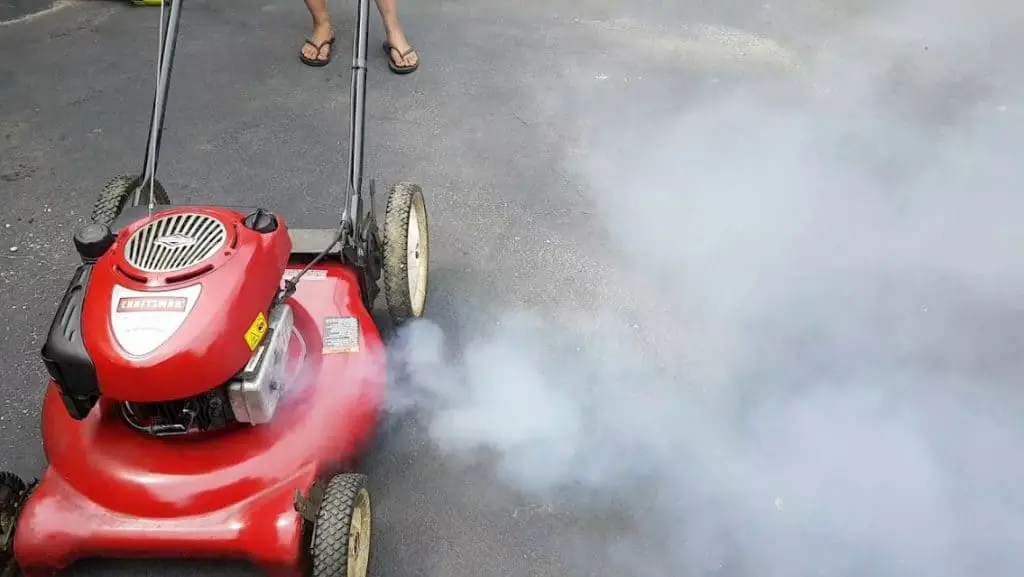
White smoke is most of the time not an issue and is just the result of the oil in the mower reaching the wrong places and causing the smoke, you can fix this by running your mower till all the smoke has disappeared.

How To Winterize Your Lawnmower

Now you have looked at all the troubleshooting problems above and hopefully determined what the issue is with your mower, we have put together some tips on how to prepare your mower for winter storage in the future and avoid any preventable issues from when you take it out for the new season.

  • Put stabilised fuel - Fuel stabiliser can allow you to keep your lawnmowers tank full of fuel during winter without any issues such as stale fuel clogging your engine. Having a full tank can also stop rust from forming and clogging your mowers carb.
  • Clean the mower - Completely clean your mower before storing and remove any debris or grass that is trapped beneath. Always remove the spark plug before hosing your mower down.
  • Take out the battery - If your mower uses a battery then you should detach it from your model and take it off for storage separately.

Frequently Asked Questions About Lawnmowers Start-Up Problems After Winter

Why is it an issue to leave gas in your mower over winter?

Leaving fuel in your mower over winter can clog up your carb and cause rust in your mower, both problems can cause startup issues with your mower.

How do I clean my mower?

You can clean your mower by using a screwdriver to remove any stuck debris and hosing it down afterwards, always disconnect the spark plug before doing this to prevent accidental start-up and remove any electricals.

Should I change the air filter on my lawnmower?

Yes, a bad air filter can stop the fuel in your mower from burning properly by stopping the airflow.

To fix this you can replace the paper filter or clean the oil-soaked one depending on your model.

Final Words

Overall, most problems related to your mower not starting after winter are easily fixed with the troubleshooting list above and your model's manual.

To prevent issues from happening when you get your mower out next spring, you should always make sure you are winterizing your lawn mower before storing it away for long periods in the future.

Do Lawn Mowers Have Alternators? Find Out Here!

What Kind Of Lawnmower Has An Alternator?

Depending on the kind of mower you have, your model might have an alternator. Alternators are used in the powerful engines of mowers to help spin the blades and cut grass.

To narrow it down, only riding mowers have alternators and push/petrol-powered mowers don't. This is due to the fact riding mowers require more engine power than other mowers because of there size and the large area of ground they cover when in use. 

To find out where these alternators are in your riding lawnmower and how they work, we have put together a little guide below to teach you everything you need to know about your lawnmowers alternator.

What Is The Role Of An Alternator In a Lawnmower?

As we touched on above briefly, the role of an alternator in a riding lawnmower is to power its battery to help the powerful engine operate.

This is similar to a car and keeps the battery charged, being spun by another belt separate to the blade belt on your mower generating energy to charge the battery of the mower.

The alternator of your mower is extremely important and can be responsible if your mower is starting to lack in power, meaning it might need to be fixed to see if its in a good condition.

How Do Other Types Of Mowers Work?

Regular human force push mowers don't use an alternator as they don't need a battery or even fuel to operate. Instead, this mower is powered by the motion of you pushing the mower on to the grass and the cylinder grabbing it and holding it against the stationary blade on your mower.

These mowers tend to be very affordable and not noisy due to the way they operate.

Petrol mowers on the other hand also do not have an alternator as they use fuel to power there engine instead and electric mowers use a rechargeable battery which doesn't require an alternator as the doesn't use as much energy from their motor in comparison to a riding model.

Where Do I Find The Alternator On My Mower?

The alternator of your riding mower should be located under the flywheel of your engine. The engine is located under the hood of your mower, and under the engine cover which is located underneath, you will find the flywheel.

The alternator will be in a circle shape that has a hole in the middle like a doughnut, you will have to remove the flywheel first to access it.

How Can I Check My Mowers Alternator?

If your battery keeps cutting out on your mower or going dead when you aren't even using your mower, the alternator could be to blame.

They also tend to be blamed if your mower suddenly cuts out or the battery keeps losing charge over and again quickly despite giving it a full charge beforehand.

We have listed out a couple of ways to check your mowers alternator below to help you figure out the issue.

Test The Headlights

One of the ways you can check if your alternator is working is by turning on the headlights of your mower while it is running.

When your engine is running, that's when you can cut it with the lights on and see the headlights dim themselves, if they don't then you have a bad alternator.

Look At It Under The Flywheel

Remove the flywheel and have a look at your alternator to make sure everything is working fine.

For fixed alternators, you might notice burnt out coils which could be contributing to an uneven charge on your mower and for non-fixed alternators uneven wear or mounting that's causing the alternator to spin in the wrong way.

Test With a Multimeter

If you are not confident with your findings in both steps above then it might be best to test your alternator with a multimeter.

First, find your mower's battery and connect the black wire of your multimeter to the + terminal on your mower's battery, make sure the other end is connected to the COM port on your device.

Then, take the red wire of your multimeter and connect it to the AMP port. After making sure both wires are connected you can turn the mower on full power for a couple of minutes and note down your findings, then compare this with your manufactures recommended findings to see if there is an issue.

A lower reading than recommended will indicate there is an issue with the alternator.

Frequently Asked Questions About Lawnmowers Alternators

Do lawnmowers have a charging system? 

Yes, this is essentially the alternator, as the belt turns the alternator then charges the battery.

How do I know if there is an issue with my alternator?

As we mentioned above, battery issues such as quick loss of charge without using your mower can indicate a bad alternator, the best way to determine if there is an issue is by using a multimeter to look at the voltage readings.

Why don't smaller lawnmowers need an alternator?

Smaller lawnmowers do not have components such as headlights, starters and electric clutches, riding mowers, on the other hand, have all these and more so need a battery to run and cover large areas too.

Is there another kind of charging system for tractor lawnmowers?

Yes, riding lawnmowers either charge themselves with a belt-driven alternator or a stator alternator depending on the model you buy.

What is a multimeter?

A multimeter is a handheld device that you can buy which displays the voltage and current of what it's connected to. This device is the best way to determine if your alternator is not producing enough power.

Final Words

Overall, you will only find alternators on big tractor style riding lawnmowers that require this kind of power for the engine and battery to function.

The best way to figure out if there is a problem with your alternator is by using a multimeter and seeing if your findings are low or not typical of your mower's model.

Huwebes, Setyembre 17, 2020

How To Lay Gravel Over Grass? Find Out Here!

Perhaps there is not enough time to look after the garden lawn, or maybe the garden needs a complete make over. Whatever the reason, with its low maintenance and suitability for almost all types of garden, more and more homeowners are thinking of replacing their grass lawns with gravel. If it’s to completely replace the lawn, or to put in a gravel path, there are a number of steps to take to...

Source

Biyernes, Hunyo 12, 2020

Electric Mower Overheating, Why Is This & What to Do?

It’s time to mow the grass. Not having been mown for sometime it’s a bit on the long side, some might say overgrown. Anyway, the mower hasn’t been used since the end of last summer, so it needs an outing and the lawn needs a good haircut. Today’s as good as any to cut the lawn. These sorts of thoughts are probably going through nearly every gardener’s mind as volitile spring gives way to the...

Source